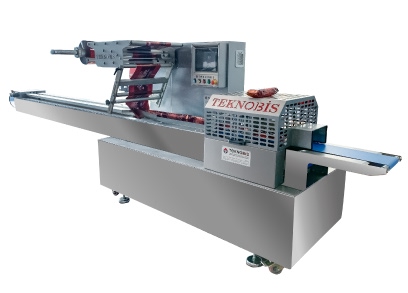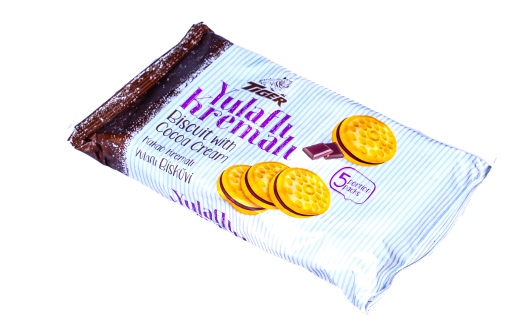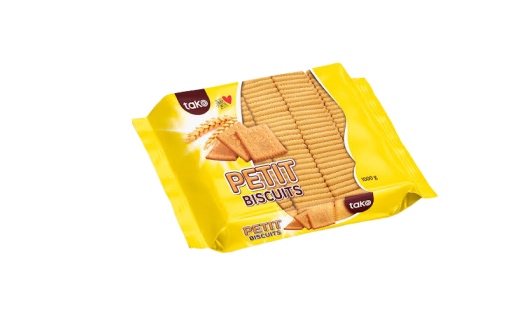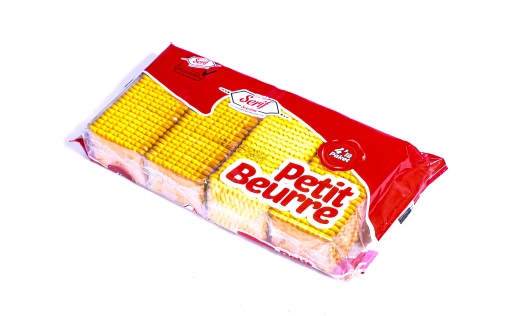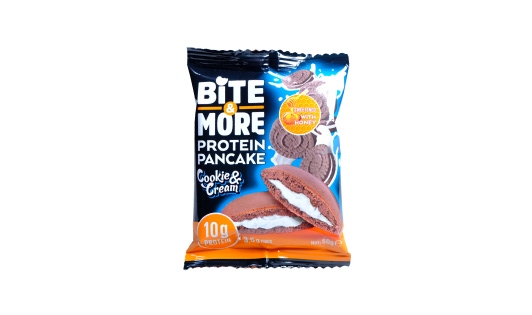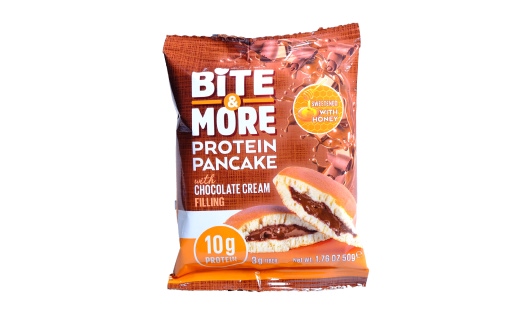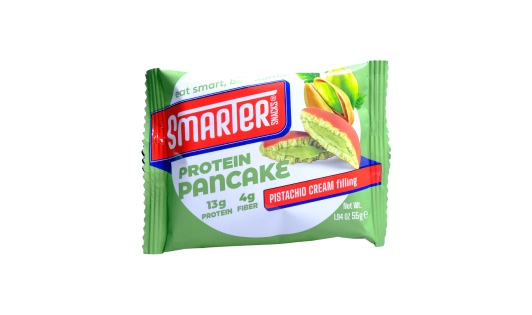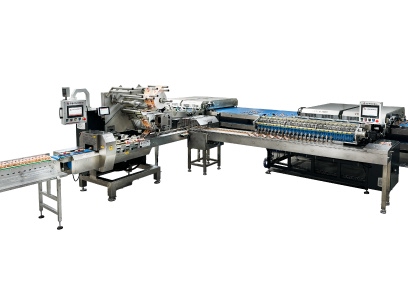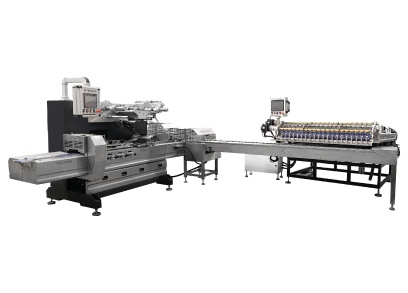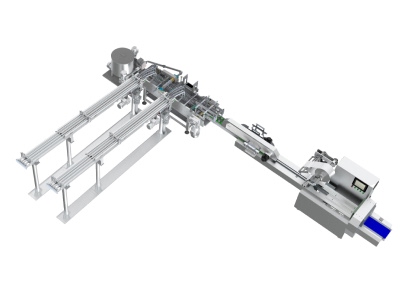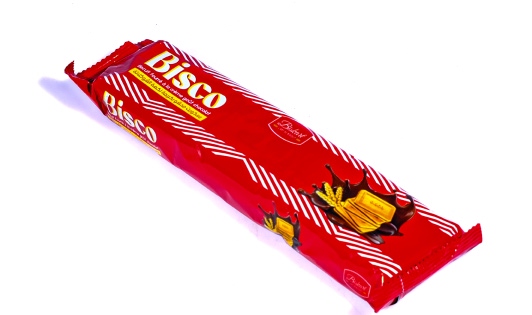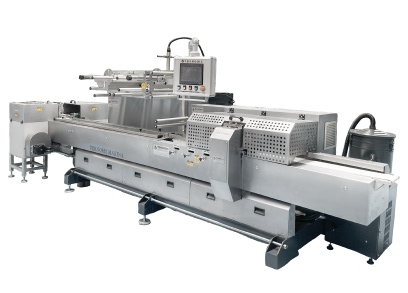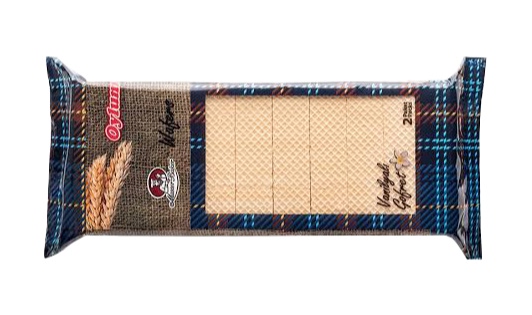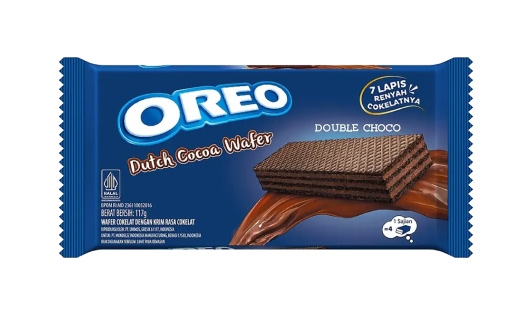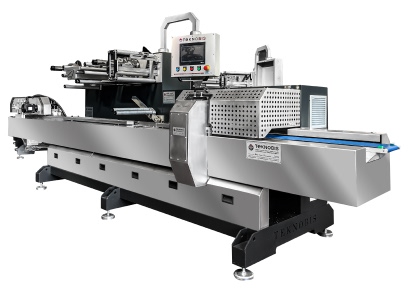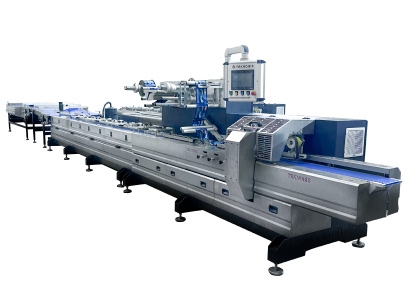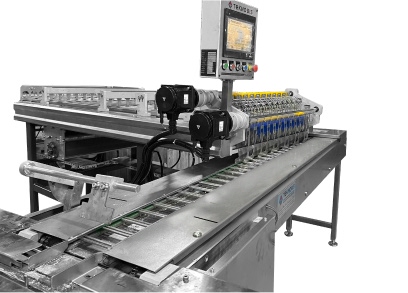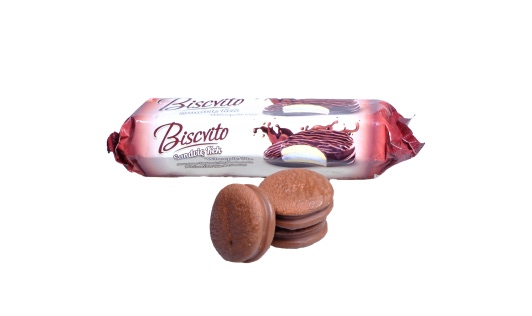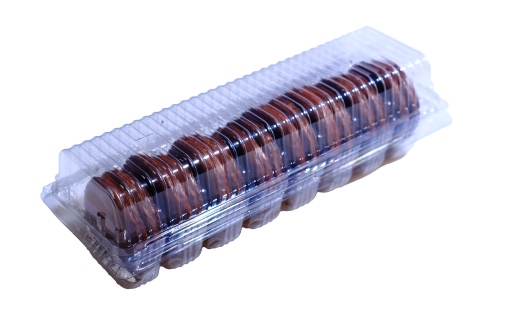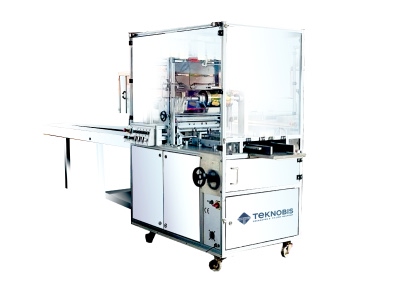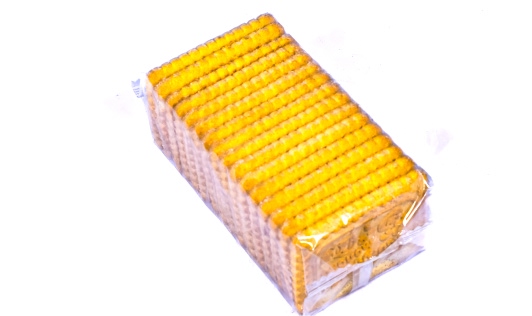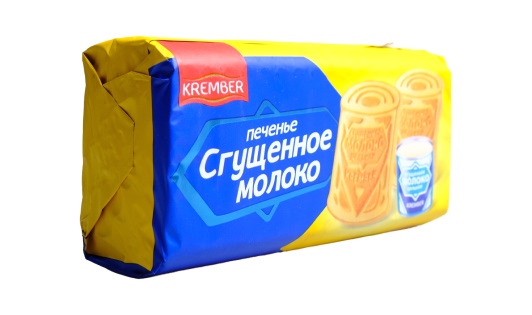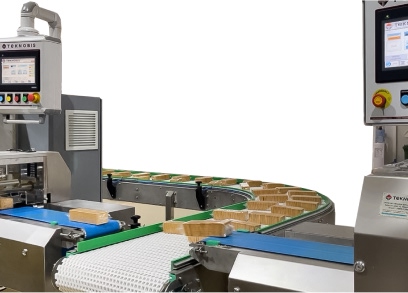
A food filling machine is an essential piece of equipment designed to efficiently and accurately fill various food products into containers, packaging, or bottles. These machines improve production speed, ensure hygiene, and maintain product consistency, making them indispensable in the food processing industry.
Types of Food Filling Machines
Food filling machines come in various types depending on the product’s nature and packaging requirements. Common types include piston fillers, volumetric fillers, and vacuum fillers, each designed to handle different food consistencies from liquids and creams to powders and granules.
Advantages of Food Filling Machines
Using a food filling machine offers several benefits: enhanced precision in filling volumes, reduced product waste, increased production capacity, and improved sanitation standards. Automation minimizes human error and contamination risks, ensuring high-quality packaging.
Applications of Food Filling Machines
These machines are widely used in industries such as dairy, sauces, beverages, confectionery, and bakery products. They can fill items like yogurt, ketchup, honey, chocolate spreads, and more, adapting to various container shapes and sizes.
Technical Features and Compatibility
Modern food filling machines come with user-friendly controls, stainless steel construction for easy cleaning, and compatibility with different packaging types including bottles, jars, pouches, and cans. Many models feature adjustable filling speeds and volumes, catering to diverse production demands.
Conclusion
Investing in a reliable food filling machine boosts operational efficiency and product quality while supporting scalable production. It is a vital tool for manufacturers aiming to meet market demands with precision and hygiene.